
Strategies to Evaluate Risk and Mitigate Impacts for Operations and Supply Chains


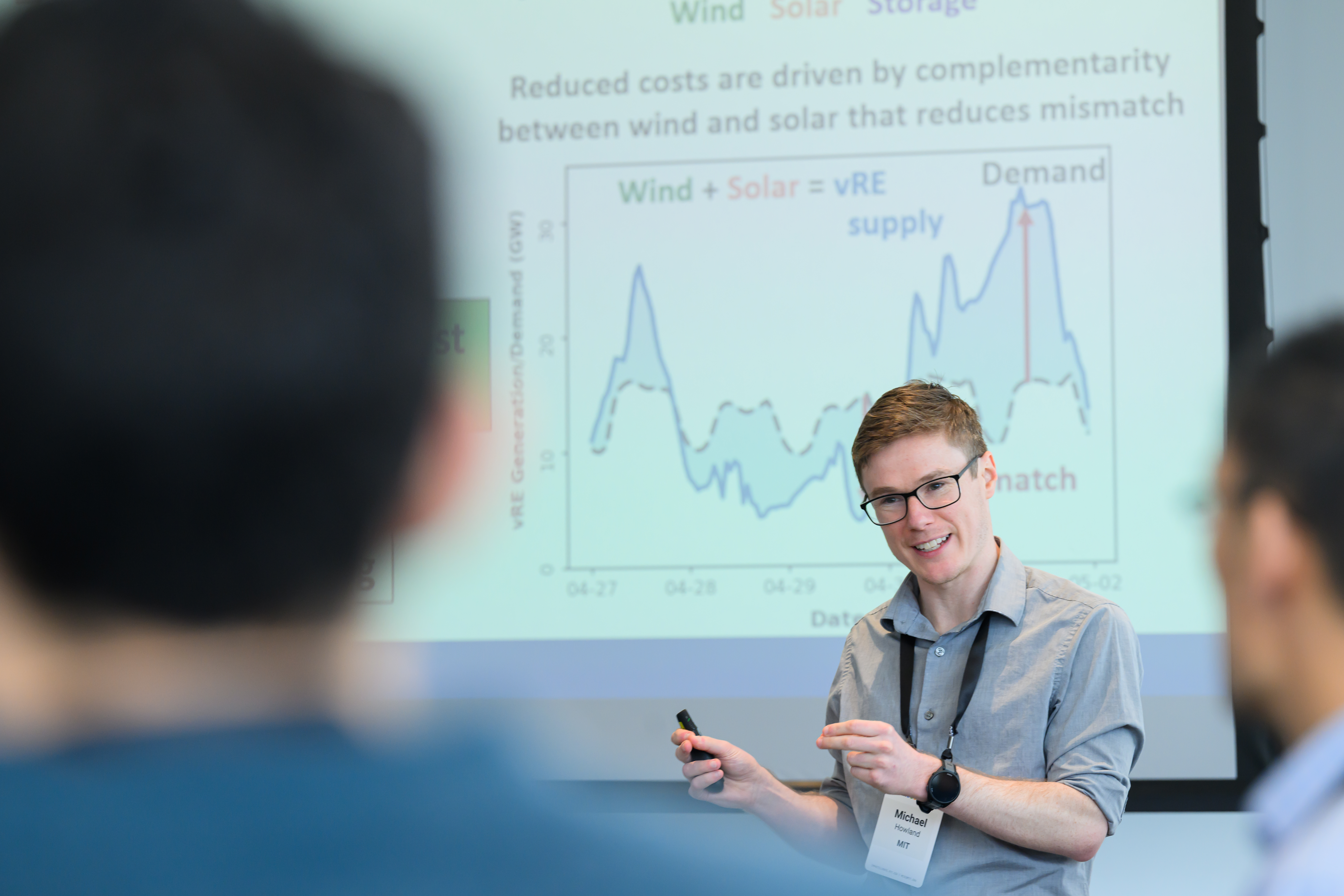


Facilitators:

Strategic Advisor
Jerry McAfee Professor in Engineering; Professor, Department of Materials Science and Engineering

Associate Professor, Jeffrey Cheah Career Development
Leading MCSC Seed Awards Project: Toolkit for assessing the vulnerability of industry infrastructure siting to climate change
Key Takeaways from Session
Disruptions to supply chains and industrial operations are becoming increasingly common given extreme weather events, geopolitical tensions, significant demand growth in certain sectors, disruptive new energy technologies, and changes in earth systems more broadly. Data centers and electrification-driven load growth: reliability constraints, interconnection and permitting timelines, and local grid characteristics can dominate siting decisions and even shift responsibilities from suppliers to buyers. The result is a new “shared infrastructure” problem that few firms can solve alone or without a systems perspective – A recurring pattern: universal/top-down approaches or rapid tech “fixes” can trigger unintended consequences (including social backlash, performance failures under future climate conditions, or harm in adjacent systems). This session provided boundary conditions and constraints to guide MCSC’s research roadmap to support member efforts to evaluate risk and mitigate impacts for operations and supply chains. Within the workshop, speakers focused on actions that could build durable positive impacts for the long term in the highest risk regions. Particular areas of emphasis include, how MCSC members are building robust, high granularity metrics for prioritization, building internal capability to assess these risks, and how they are making shifts from risk to resilience to be more proactive in strategy development.
With focus areas of water, energy and materials, members talked about deepening engagement while better data are emerging and suggested that organizations are not lacking awareness of risk, but the ability to translate it into concrete, timely decisions across the facility, supplier, and network levels. Risks show up precisely at the interfaces between functions and the decision-makers are people involved in facilities management, decarbonization, and procurement (e.g., procurement ↔ grid reliability; enterprise risk ↔ operational siting; supplier questionnaires ↔ facility-level realities). There is great need for location-specific risk assessments for a range of dimensions including biodiversity, water, built infrastructure, energy infrastructure, and materials.